Human Anatomy Banner

Wednesday, March 19, 2014

human anatomy, physiology and drug therapy

A re you looking to learn anatomy and physiology?
You're about to discover the most spectacular gold mine of human anatomy & physiology materials and diagrams ever created for commercial sale.

I'm about to share with you everything you'll ever need to know about human anatomy, physiology and drug therapy, complete with diagrams, courses, lesson plans, quizzes and solutions. I'll provide an effective and painless way to learn or review anatomy and physiology, from the chemical level through the entire organism
No matter whether you're a
  • Medical Practitioner or Specialist
  • Student or Educator
  • Researcher or Anatomist
  • Injury Law Attorney
  • Trainer or Sports Professional
  • Chiropractor or Therapist
  • Nurse or Paramedic
 The ebook by Dr. James Ross wil help you.
WHO IS DR. JAMES ROSS.
 Dr. James Ross 've been teaching human anatomy and physiology for more than 18 years, and hold a Ph.D. in Integrative Physiology, which I completed in 1992, and started writing for popular magazines and journals.
He was recently a nominated in the poster prize at the British Neuroendocrine Society annual conference held on 15th and 16th September 2008 at the University of Briston. In 2004, He has founded the "InnerHealth" training school for paramedics and nurses in Pennsylvania.
But more importantly, since 1996, he  helped thousands of students, practitioners and junior doctors learn and master the complex topics of anatomy quickly and easily.
His role for you.

You see, once an expert explains to you how to actually do it...in language you can easily understand...this is almost as easy as...eating lunch.
The secret is in following proven lessons, mastering the subject one step at a time - At your own speed with detailed illustrations. This is closest thing to joining a full time medical course that will cost you over thousands of dollars. Sounds good? Then read on ..
But that's just part of the story. Lets take a closer look at the main components in this course.
COMPONENT 1:- human anatomy & physiology course
It is simply impossible to list everything down since it is too big but here is brief overview at some of the contents. This is just ONE of the many modules in this component
 
  • Lesson 1: Introduction to Basic Human Physiology
  • Lesson 2: Physiology of Cells and Miscellaneous Tissues
  • Lesson 3: Envelopes of the Body
  • Lesson 4: The Skeletal System
  • Lesson 5: Physiology and Actions of Muscles
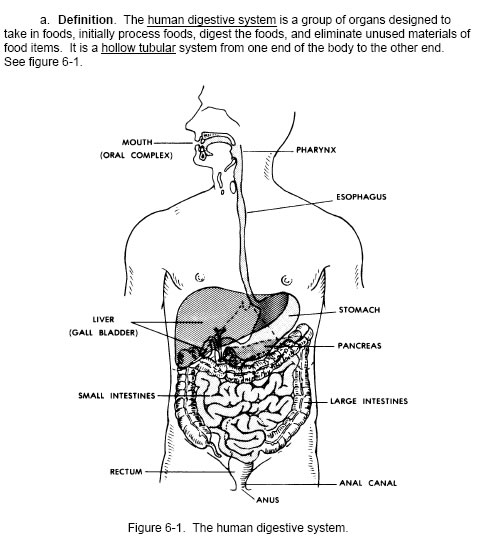
  • Lesson 6: The Human Digestive System
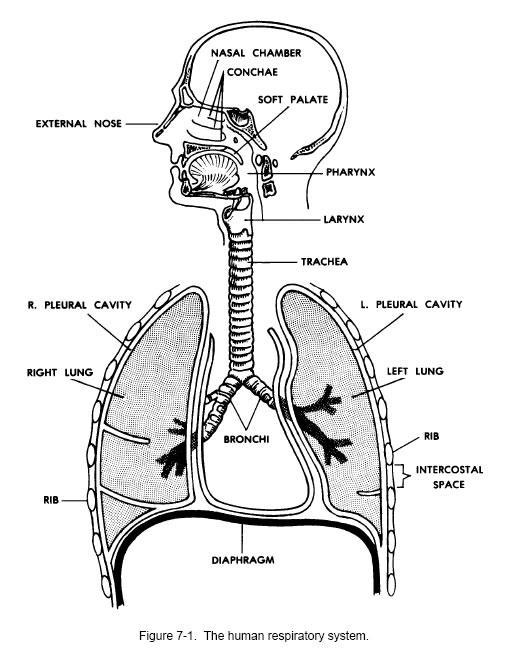
  • Lesson 7: The Human Respiratory System and Breathing
  • Lesson 8: The Human Urinary System
  • Lesson 9: The Human Reproductive (Genital) System
Human MusclesDigestive SystemRespiratory System
  • Lesson 10: Cardiovascular and Other Circulatory Systems of the Human Body
  • Lesson 11: The Human Endocrine System
  • Lesson 12: The Human Nervous System
  • Lesson 13: The Special Senses
  • Lesson 14: Some Elementary Human Genetics
  • Ear-Eyes-Nose Injuries
  • Musculoskeletal System
  • Nursing Care Related to the Musculoskeletal System
  • Anatomy and Physiology Related to Clinical Pathology
  • AND MANY MORE! (over 3000+ PAGES with full illustrations)

What this boils down to is that you're getting the most comprehensive human anatomy & physiology course available. This leaves no stone unturned.
Remember, this is just ONE module out of the hundreds in this component. It is simply too huge to list them all.
COMPONENT2:-doses, drug therapy phormocology


Pharmacology continues to be among the most dynamic of the biomedical sciences and as such, it included as a component in this amazing home study course.
  • Drug Dosage and Therapy
  • Oral and Maxillofactal pathology
  • Pharmacology I
  • Pharmacology II
  • Principles of Epidemiology and Microbiology
  • AND MANY MORE! (over 3000+ PAGES with full illustrations
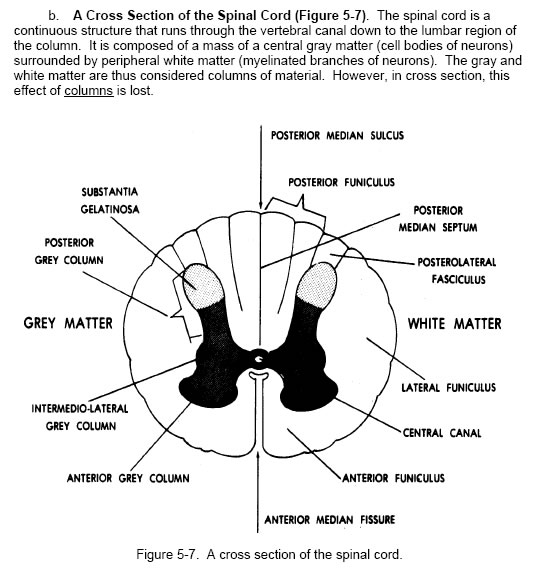
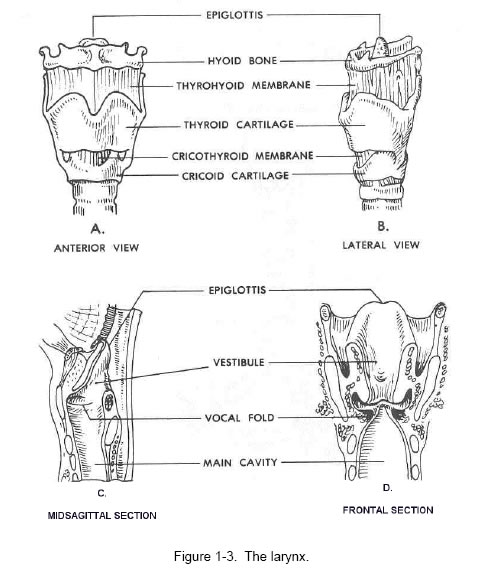
Spinal CordLarynx Physiology


Frankly, I didn't even delve into the details of every single module as I do not want to overwhlem you.
You'll find out about drugs affecting the central nervous system, autonomic and cardiovascular drugs, drugs used to prevent and treat infections, lymphatic systems, cardiac and vasodilator drugs and so much more.
Let me tell you, though, that what I've shown here is VERY conservative in number. The actual contents of this course is jam packed with a gargantuan amount of knowledge that has been scrupulously researched.

This tome of knowledge is right there...just waiting for you to open ...
COMPONENT3:- DETAILED GRAPHIC
Learn How to Read MusicLIST OF ILLUSTRATIONS
1-1 Regions of the human body
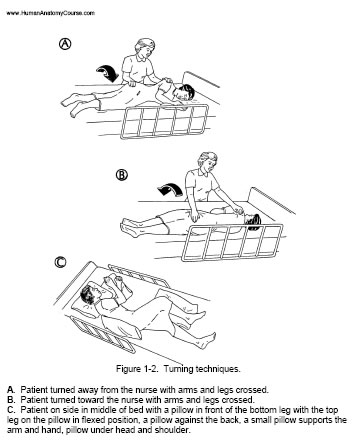
1-2 Anatomical position and medial-lateral relationships
1-3A The sagittal plane
1-3B The horizontal plane.
1-3C The frontal plane .
1-4 A "typical" animal cell (as seen in an electron microscope)
1-5 Planes of the body (exercise 14)
1-6 Directions (exercise 15).
1-7 Directions upon members (exercise 16).
1-8 A "typical" animal cell (exercise 18).
2-1 Epithelial cells.
2-2 Types of epithelial tissues
2-3 Types of muscle tissue
2-4 A neuron.
2-5 A synapse
3-1 The integument and related structures.
3-2 The integumentary derivatives (appendages)
3-3 A bursa--the simplest serous cavity
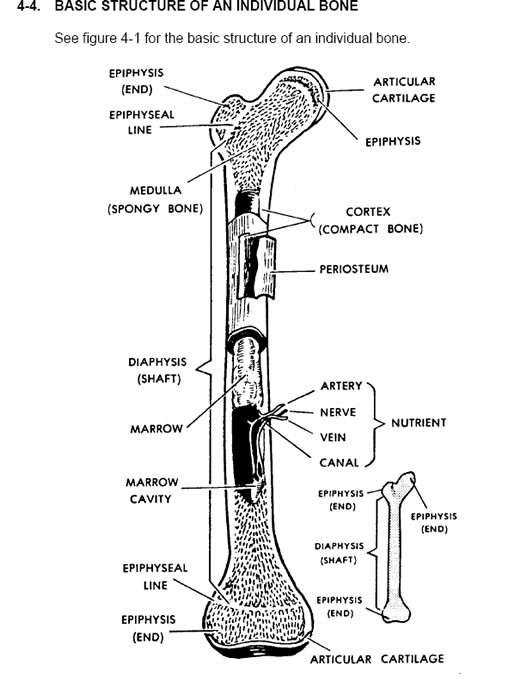
4-1 A mature long bone (femur)
4-2 A "typical synovial joint"--diagrammatic
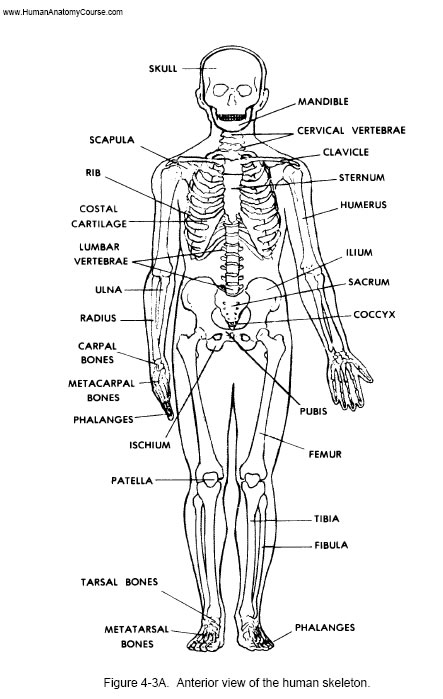
4-3A Anterior view of the human skeleton
4-3B Posterior view of the human skeleton
4-4 A typical vertebra (superior and side views)
4-5 The human thorax with bones of the shoulder region
4-6 The human skull (front and side views)
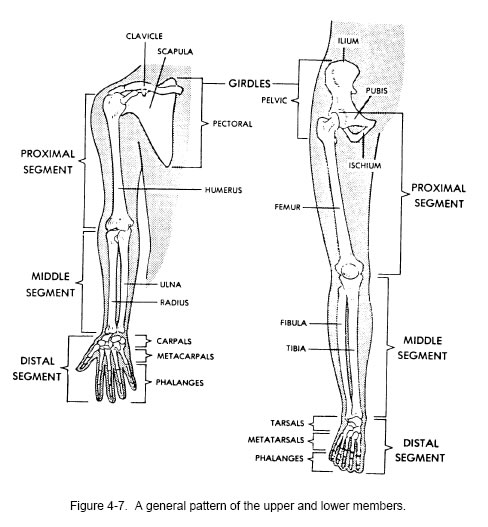
4-7 A general pattern of the upper and lower members
4-8 The human scapula and clavicle (pectoral girdle)
4-9 The humerus, radius, and ulna
4-10 The human hand
4-11 The bony pelvis (two pelvic bones and sacrum).
4-12 The femur, tibia, and fibula (anterior views)
4-13 The human foot
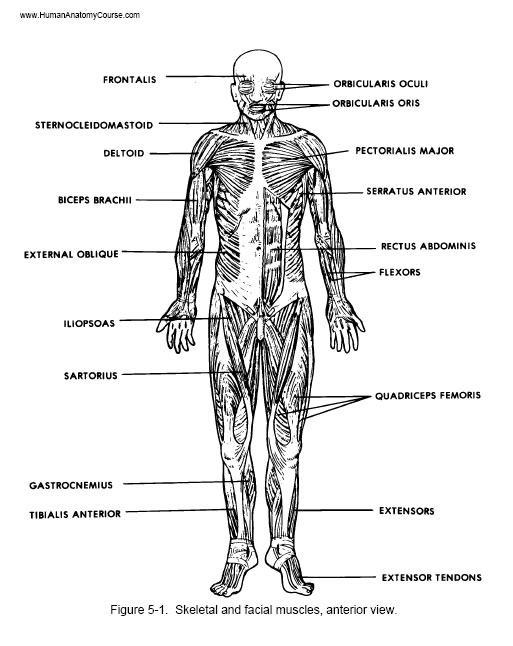
5-1 Skeletal and facial muscles, anterior view.
5-2 Skeletal and facial muscles, posterior view
5-3 Types of lever systems
5-4 A simple pulley (the human knee mechanism)
5-5 The skeleto-muscular unit (arm-forearm flexion (3rd class lever system))
6-1 The human digestive system
6-2 Anatomy of the oral complex.
6-3 Section of a tooth and jaw.
7-1 The human respiratory system
7-2 Supralaryngeal structures.
7-3 The larynx.
7-4 Infralaryngeal structures ("respiratory tree")
8-1 The human urinary system.
8-2 A section of a human kidney
8-3 A "typical" nephron
8-4 The human female genital system
8-5 The human male genital system (continued) .
9-1 Scheme of blood vessels
9-2 The human heart..
9-3 Scheme of heart valves.
9-4 Cardiovascular circulatory patterns
9-5 Main arteries of the human body
9-6 Main veins of the human body
9-7 The human lymphatic system
10-1 The endocrine glands of the human body and their locations..
11-1 A "typical" neuron .
11-2 A synapse
11-3 A neuromuscular junction.
11-4 The human central nervous system (CNS) .
11-5A Human brain (side view).
11-5B Human brain (bottom view)
11-6 A cross section of the spinal cord.
11-7 A schematic diagram of the meninges, as seen in side view of the CNS
11-8 A "typical" spinal nerve, with a cross section of the spinal cord
11-9 The general reflex arc
11-10 A horizontal section of the eyeball
11-11 Cellular detail of the retina.
11-12 A frontal section of the human ear
11-13 The labyrinths of the internal ear.
11-14 Diagram of the scalae
11-15 Diagram of semicircular duct orientation
BONUS: Nursing & Paramedics Masterclass


Heart Attack and Cardiopulmonary Resuscitation
Rescue Ops: Initiate Rescue Breathing & Remove An Airway Obstruction On An Adult or Child
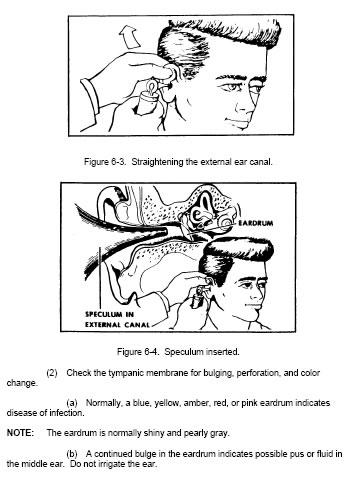
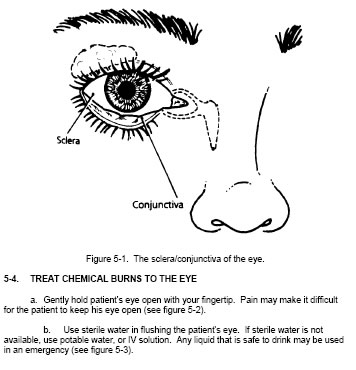
Eye, Ear Nose Injuries & How To Treat Them
Surgical & Sterlie Dressing and Procedures
Nursing Fundamentals I, II & III
Nursing Care : Musculoskeletal System and Respiratory
Medical Mycology Overview & Introduction Course
And Many More Not Listed ...
Nursing and ParamedicEar Infection NursingEye Chemical Burning Treatment
Human Anatomy Course Guarantee

No comments:

Post a Comment